

Paul Embery is one of the most interesting, insightful and original voices to have emerged in British journalism for some time — Douglas Murray
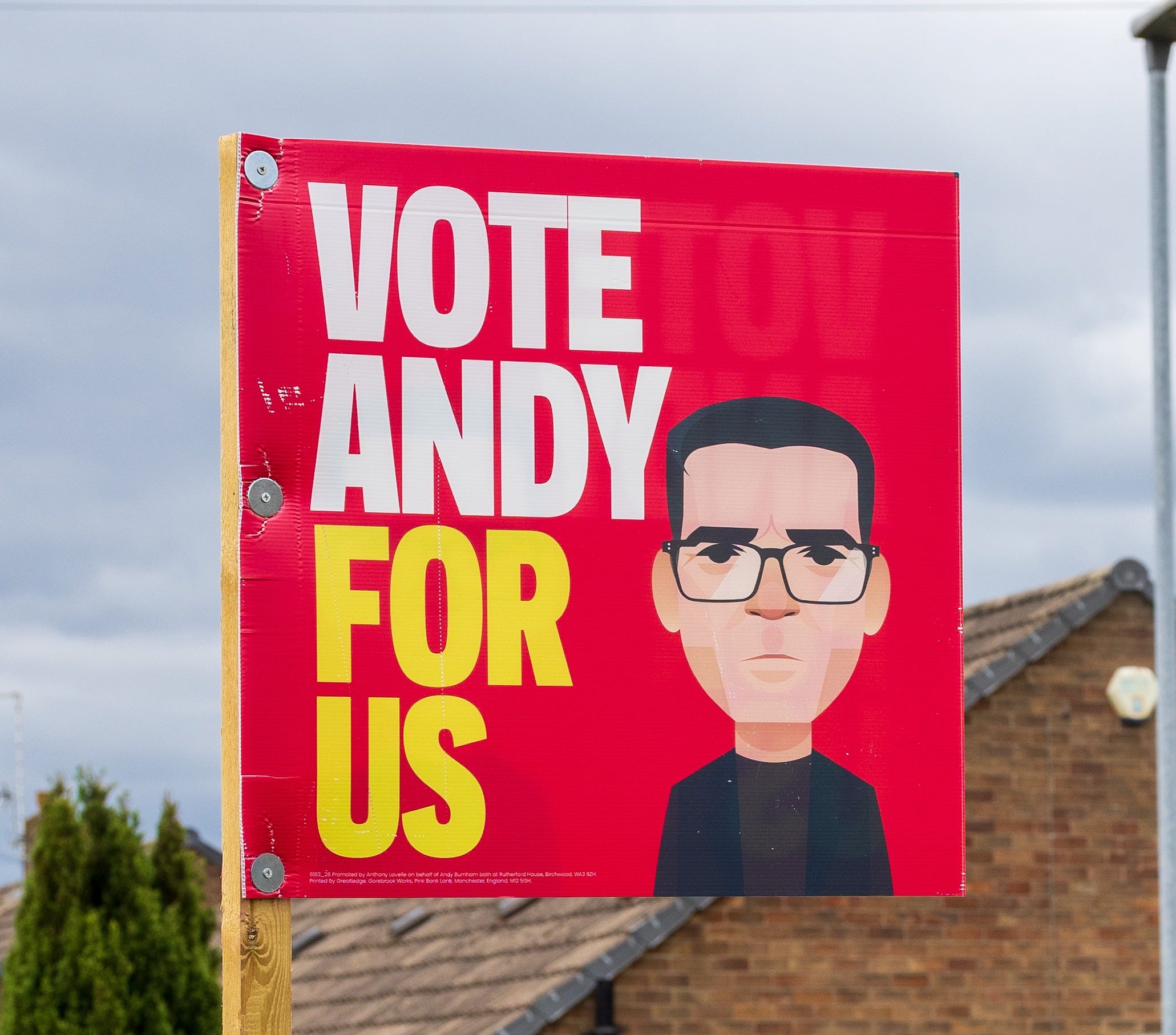
ANDY BURNHAM couldn’t have been clearer. If a proposed policy didn’t work for the people of his own constituency and others like it, it shouldn’t go ahead.
That was the essence of what, in his by-election victory speech, the man who was soon to become prime minister described as his ‘Makerfield test’.
The test was Burnham’s way of showing that he was not just another member of the Westminster political establishment. He was different. He was an ordinary northern bloke who understood there was a world beyond the SW1 bubble. What mattered were not the priorities of the metropolitan elites but those of the type of people he had been chosen to represent.
When Burnham secured the premiership, he reaffirmed his commitment to the test and would now be judged on it.
Well, I have news for the prime minister. His proposal to drag Britain back into the arms of the EU fails the test spectacularly. Voters in Makerfield cherish Britain’s sovereignty and are fiercely opposed to a handover of powers from Westminster to Brussels in a wide range of policy areas.
That is the decisive finding from a survey of electors in the Makerfield constituency conducted by the respected polling outfit Survation for ‘Britain Unbound’, a pro-Brexit organisation comprised of leading politicians, activists and commentators from across the party divide. Full disclosure here: I happen to be a proud member of the organisation’s advisory board.
Our survey sought the views of Makerfield voters on whether economic powers in 10 key areas should be exercised by the British government alone or through either a binding or voluntary arrangement with an international institution, such as the EU. National sovereignty in all the areas surveyed would likely be affected if Britain were to rejoin the EU or single market, or even if some kind of looser ‘reset’ went ahead.
The results of the survey were striking.